


Introduction
In today’s threat landscape—where ransomware, nation-state attacks, and regulatory scrutiny are more intense than ever—securing your cryptographic modules isn’t just a best practice, it’s a requirement in many industries. That’s where FIPS Mode comes in. Whether you’re managing infrastructure for a government agency, healthcare provider, or financial institution, enabling FIPS can help ensure compliance and reduce risk.
FIPS, short for Federal Information Processing Standards, defines how cryptographic modules should operate to be considered secure and compliant. Enabling FIPS Mode ensures that your systems only use FIPS-validated cryptographic algorithms, which can be essential for meeting standards like FedRAMP, HIPAA, or CJIS.
This guide walks you through what FIPS Mode is, why it matters in 2026, and how to enable it across popular platforms—from Windows and Linux to cloud environments like AWS and Azure. Let’s secure your environment the smart way.
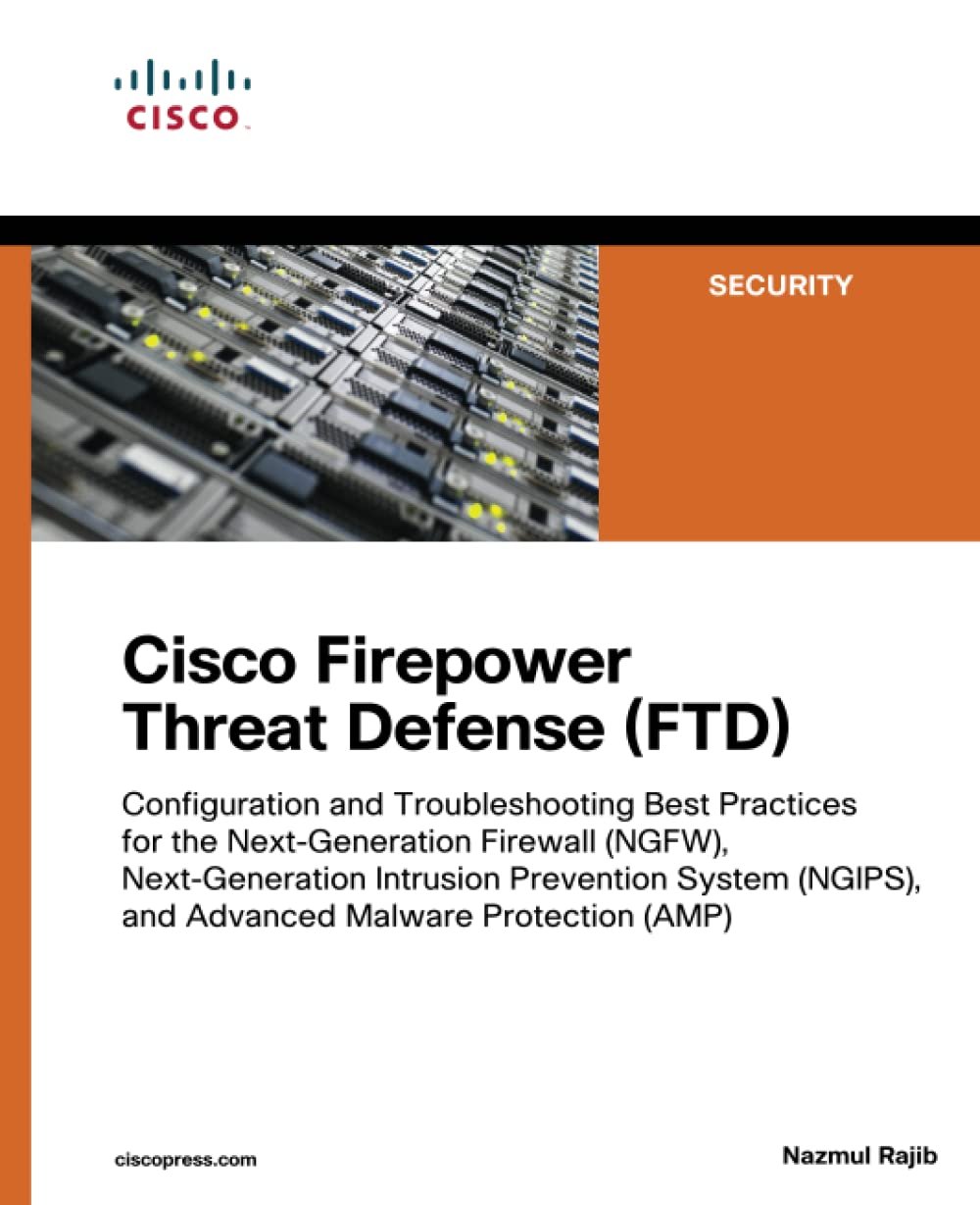
The authoritative visual guide to Cisco Firepower Threat Defense (FTD)
This is the definitive guide to best practices and advanced troubleshooting techniques for the Cisco flagship Firepower Threat Defense (FTD) system running on Cisco ASA platforms, Cisco Firepower security appliances, Firepower eXtensible Operating System (FXOS), and VMware virtual appliances.
Key Takeaways
- FIPS Mode ensures compliance with federal and industry security standards by enforcing strict cryptographic practices.
- FIPS 140-2 and 140-3 are key certifications for cryptographic modules in secure environments.
- Enabling FIPS Mode may impact certain non-compliant applications or libraries.
- Supported platforms include Windows Server, RHEL, Ubuntu, AWS, and Azure.
- Testing and verification tools can confirm that your system is enforcing FIPS-approved algorithms.
- FIPS is often a requirement for government contracts or regulated industries in 2026.
- Cloud-native workloads also benefit from FIPS enforcement in hybrid or zero trust architectures.
- Disabling FIPS Mode may be necessary during troubleshooting—use with caution.
- Proper auditing and documentation are key to staying compliant long-term.
What Is FIPS Mode?
FIPS Mode refers to a system configuration that enforces the use of cryptographic algorithms and functions validated under the FIPS 140 series of standards—specifically FIPS 140-2 and the newer FIPS 140-3.
The Federal Information Processing Standards (FIPS) are developed by the National Institute of Standards and Technology (NIST) to ensure secure computing practices, particularly for federal agencies and contractors.
🔐 What does FIPS Mode do?
- Only FIPS-validated algorithms (e.g., AES, SHA-256, RSA) can be used.
- Non-compliant or insecure algorithms (like MD5 or RC4) are blocked.
- System libraries and APIs are restricted to validated modules (e.g., OpenSSL in FIPS mode).
Note: FIPS Mode doesn’t make your system magically secure—but it ensures cryptographic compliance, which is a major piece of the puzzle for many frameworks (e.g., FedRAMP, HIPAA, FISMA, CJIS).
Why Enable FIPS Mode in 2026?
FIPS Mode isn’t just a checkbox for compliance anymore—it’s a vital part of any serious security strategy in 2026. With cybersecurity threats becoming more sophisticated and cloud-first architectures dominating IT infrastructure, enforcing FIPS-approved cryptography helps reduce risk at a foundational level.
🌐 Compliance Requirements Are Expanding
Frameworks such as:
- FedRAMP (Federal Risk and Authorization Management Program)
- FISMA (Federal Information Security Management Act)
- HIPAA (Health Insurance Portability and Accountability Act)
- CJIS (Criminal Justice Information Services)
All either require or strongly recommend FIPS 140-2 or 140-3 validation.
☁️ FIPS in a Cloud-First, Zero Trust World
With zero trust security models becoming mainstream, especially in hybrid and remote-first organizations, cryptographic consistency matters more than ever.
💡 Bonus:
In a 2026 survey of Fortune 500 CISOs, over 65% reported enforcing FIPS Mode across at least some part of their infrastructure—especially cloud-native workloads and containerized services.
Systems That Support FIPS Mode
Here’s a breakdown of systems that currently support FIPS Mode as of 2026:
| Platform / OS | FIPS Mode Support | Notes |
|---|---|---|
| Windows Server (2016, 2019, 2022) | ✅ Yes | Enable via Local Group Policy or registry |
| Windows 11 / 10 Enterprise | ✅ Yes | Must be Enterprise or Education edition |
| RHEL / CentOS / AlmaLinux | ✅ Yes | Use fips-mode-setup |
| Ubuntu 20.04+ | ✅ Yes | Partial support via Ubuntu Pro |
| Amazon Linux 2 / 2023 | ✅ Yes | FIPS-enabled AMIs available |
| AWS CloudHSM / GovCloud | ✅ Yes | Pre-configured modules |
| Azure Cloud | ✅ Yes | GovCloud & FIPS-compliant VM images |
| Google Cloud Platform | ✅ Yes | Via GCP Assured Workloads |

How to Enable FIPS Mode (Step-by-Step)
🪟 Windows (Windows Server / Enterprise Desktop)
🔧 Group Policy Method:
- Open
gpedit.msc - Go to:
Computer Configuration > Windows Settings > Security Settings > Local Policies > Security Options - Find: “System cryptography: Use FIPS compliant algorithms…”
- Set it to Enabled
- Reboot
🛠 Registry Method:
HKEY_LOCAL_MACHINE\SYSTEM\CurrentControlSet\Control\Lsa\FIPSAlgorithmPolicy
Enabled = 1
🐧 Linux (RHEL / CentOS / Ubuntu)
RHEL-based:
sudo fips-mode-setup --enable
sudo reboot
fips-mode-setup --checkUbuntu with Ubuntu Pro:
sudo pro enable fips
sudo reboot
cat /proc/sys/crypto/fips_enabled
☁️ Cloud Platforms
AWS: Use FIPS-enabled AMIs and pair with CloudHSM or FIPS-enabled KMS.
Azure: Use FIPS-compliant VM images and services in Azure Government.
FIPS Mode Considerations and Limitations
- Legacy apps using weak algorithms may break (e.g., MD5 or SHA-1)
- Potential small performance impact on crypto-heavy tasks
- Incompatible software may require patches or alternative libraries
🧪 Pro Tips:
- Test before you deploy in production
- Document exceptions and dependencies
- Keep backup configs or snapshots ready
Testing and Verifying FIPS Compliance
Windows
Get-ItemProperty -Path HKLM:\System\CurrentControlSet\Control\Lsa\FIPSAlgorithmPolicyLinux
cat /proc/sys/crypto/fips_enabledopenssl md5 test.txt # Should fail if FIPS Mode is activeVerification Tools
- OpenSCAP
- Nessus
- Microsoft Defender for Endpoint
Conclusion
In 2026, enabling FIPS Mode is more than just a compliance checkbox—it’s a critical step toward securing your infrastructure in a cloud-native, regulation-heavy world. Whether you’re managing sensitive healthcare data, building for the federal government, or simply strengthening your zero trust strategy, FIPS Mode ensures your cryptographic foundation is solid and standards-compliant.
Done right, it strengthens your compliance and trust posture. Done blindly, it could cause serious downtime. Plan smart.
FAQs
What is FIPS Mode used for?
FIPS Mode enforces cryptographic algorithms validated under FIPS 140-2 or 140-3. It’s used to meet security and compliance standards.
Will enabling FIPS Mode break my applications?
Possibly. Applications using non-compliant algorithms may fail. Always test in a dev or staging environment first.
Is FIPS Mode required for government contracts?
Yes. It’s mandatory for many federal compliance programs including FedRAMP and CJIS.
Does FIPS Mode make my system fully secure?
Not by itself. It improves crypto security, but full system security requires patching, monitoring, and access controls.
Is FIPS Mode available on cloud platforms?
Yes. AWS, Azure, and GCP all offer FIPS-compliant services and VM images.
What’s the difference between FIPS 140-2 and 140-3?
FIPS 140-3 is a newer standard with more stringent validation requirements, aligned with international standards. It’s gradually replacing 140-2.